
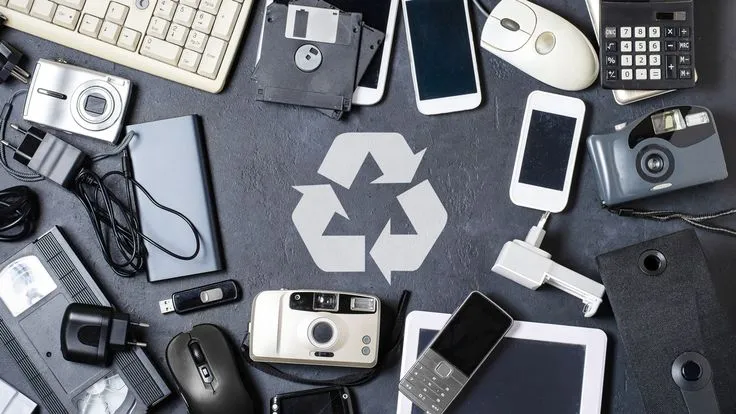
In today’s digital age, electronic devices have become an integral part of our lives. From smartphones and laptops to televisions and kitchen appliances, the rapid pace of technological advancement means we replace our gadgets more often than ever before. But what happens to our old electronics once we discard them? This is where e-waste management becomes crucial.
What is E-Waste?
E-waste, or electronic waste, refers to discarded electrical or electronic devices. These items often contain toxic materials such as lead, mercury, cadmium, and brominated flame retardants, which can be hazardous to both human health and the environment if not handled properly.
The Environmental Impact of Improper E-Waste Disposal
When e-waste is not disposed of responsibly, it often ends up in landfills or is incinerated. Here’s why this is a problem:
- Soil and Water Pollution: Toxic substances can leach into the soil and contaminate groundwater, posing risks to plants, animals, and humans.
- Air Pollution: Burning e-waste releases harmful chemicals into the atmosphere, contributing to air pollution and respiratory illnesses.
- Resource Depletion: Electronics contain valuable materials like gold, silver, and copper. Improper disposal means these resources are lost instead of being recycled.
Benefits of Proper E-Waste Management
Adopting responsible e-waste management practices offers significant environmental benefits:
- Reduces Pollution
By recycling e-waste through certified programs, hazardous materials are safely extracted and disposed of, preventing soil, water, and air pollution.
- Conserves Natural Resources
Recycling allows for the recovery of precious metals and other components, reducing the need for raw material extraction and minimizing environmental damage from mining.
- Promotes Sustainable Manufacturing
Using recycled materials in new products lowers energy consumption and reduces greenhouse gas emissions associated with manufacturing processes.
- Minimizes Landfill Waste
Proper e-waste management keeps bulky electronics out of landfills, preserving valuable space and reducing the burden on waste management systems.
How You Can Help
- Donate or Resell: Give functioning electronics a second life by donating or selling them.
- Use Certified Recyclers: Make sure to dispose of e-waste at certified recycling centers that follow environmentally sound practices.
- Participate in Take-Back Programs: Many electronics manufacturers and retailers offer take-back or recycling programs.
Conclusion
Proper e-waste management is essential for protecting our environment from pollution, conserving resources, and promoting sustainability. By making informed choices about how we dispose of our old electronics, we contribute to a healthier planet for current and future generations.