
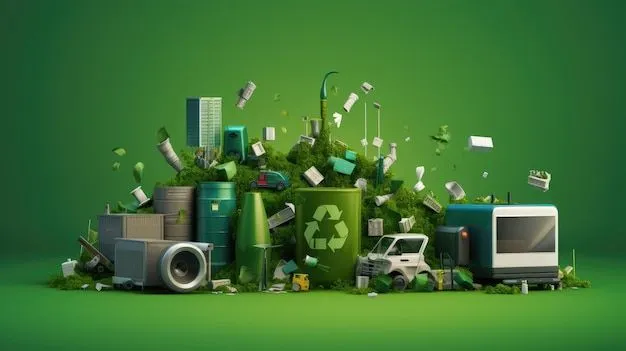
In our rapidly advancing digital age, electronic devices have become integral to daily life. From smartphones and laptops to kitchen appliances and televisions, technology surrounds us. Yet, this constant innovation comes with a hidden cost: the ever-increasing mountain of electronic waste, or e-waste. The issue of e-waste disposal is a growing global concern, making responsible e-waste recycling more important than ever.
What is E-Waste?
E-waste refers to discarded electronic devices and components that are no longer wanted or have reached the end of their useful life. This includes everything from outdated computers and cell phones to broken printers, batteries, and even some toys. The sheer volume of e-waste is staggering—according to the Global E-waste Monitor, the world generated over 53 million metric tons of e-waste in 2019, and the number continues to climb each year.
Why is E-Waste a Problem?
E-waste poses significant environmental and health risks. Many electronics contain toxic substances such as lead, mercury, and cadmium, which can leach into soil and water if not disposed of properly. Informal recycling operations, especially in developing countries, often involve unsafe methods like burning or acid baths to extract valuable materials, releasing hazardous fumes and contaminating local ecosystems.
Beyond pollution, e-waste is also a missed opportunity for resource conservation. Electronics are rich in precious metals like gold, silver, and copper. When e-waste is simply thrown away, these materials are lost, increasing the demand for new mining—an industry with its own environmental toll.
The Importance of Responsible Recycling
Responsible recycling ensures that e-waste is processed in ways that minimize environmental harm and maximize material recovery. Certified recyclers use safe, regulated methods to dismantle, sort, and process electronics, recovering valuable components while safeguarding human health and the planet.
By recycling e-waste responsibly, we:
- Reduce pollution: Proper handling prevents hazardous substances from contaminating air, soil, and water.
- Conserve resources: Reclaiming metals and materials from old devices lessens the need for new raw materials.
- Support the circular economy: Reusing and recycling components extends the lifespan of resources and creates green jobs.
What Can You Do?
- Don’t throw electronics in the trash: Always look for local e-waste recycling programs or certified drop-off locations.
- Donate or sell working devices: Extending the life of electronics through reuse is even better than recycling.
- Erase your data: Before recycling, make sure to wipe personal information from your devices.
Conclusion
The growing problem of e-waste is a challenge we cannot ignore. By choosing responsible recycling, we play a crucial role in protecting our environment, conserving valuable resources, and building a more sustainable future. Next time you upgrade your gadget, remember: where you send your old electronics matters.